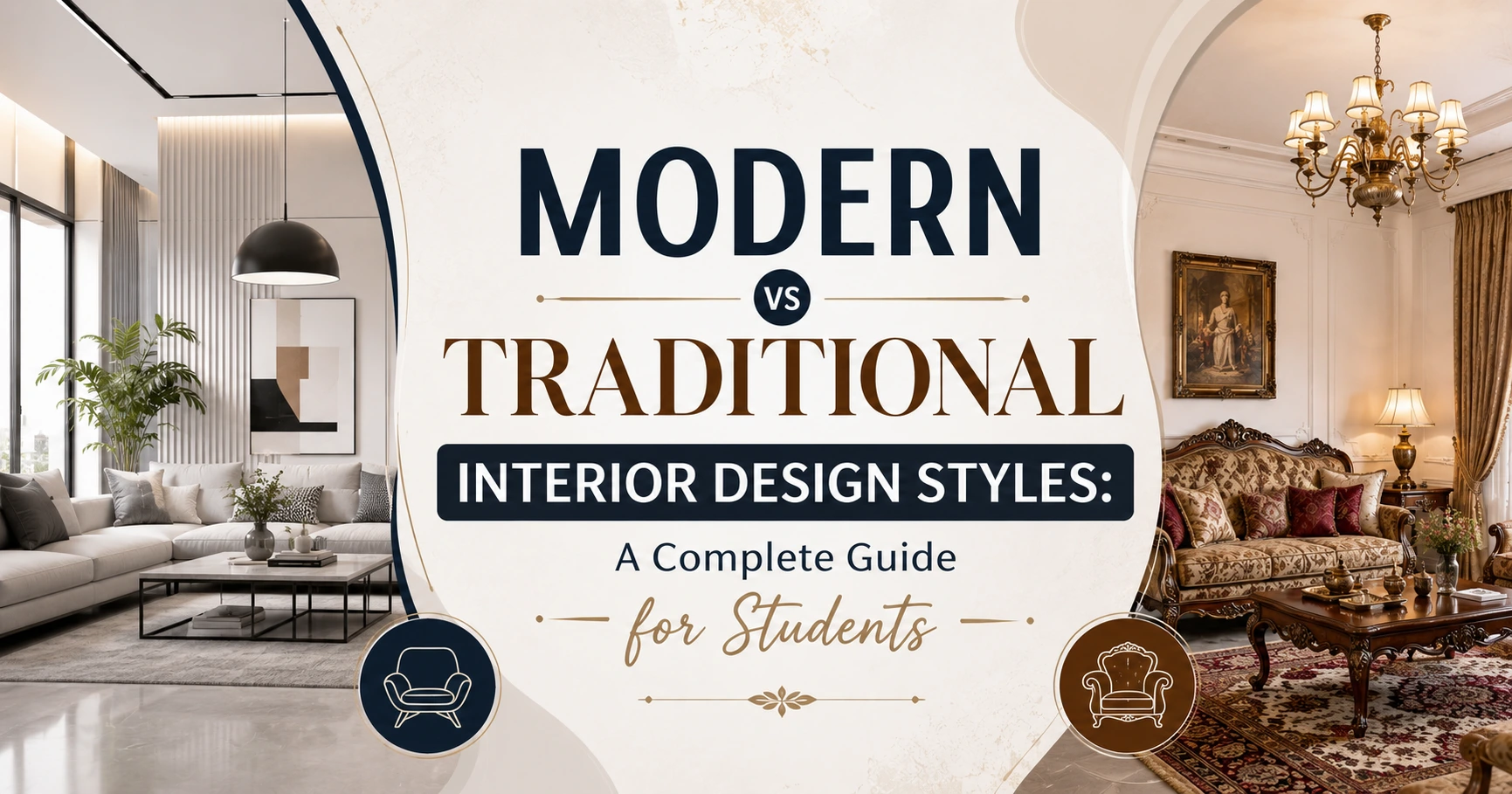
Modern vs Traditional Interior Design Styles: A Complete Guide for Students
Interior Design ## From Ancestral Echoes to Avant-Garde Dreams: Navigating Modern vs Traditional
Hey there design fellow enthusiasts and aspiring home dreamers !
Have you ever scrolled through countless Pinterest boards only to find yourself caught between the sleek minimalist lines of a contemporary living room and the rich ornate details of a classic study ? You’re not alone.When I first started delving into the vast world of interior aesthetics, I felt like I was standing at a crossroads, overwhelmed by the sheer volume of choices. It’s a common dilemma,especially for design students eager to define their unique vision and homeowners aged 20-40 looking to infuse their spaces with personality.
Understanding the fundamental differences between modern vs traditional isn’t just about picking a side; it’s about equipping yourself with the vocabulary and principles to create truly impactful meaningful spaces. This guide isn’t here to tell you what’s “better” – it’s here to empower you with the knowledge to make informed decisions that resonate with your own story and lifestyle. Let’s embark on this journey of aesthetic discovery together peeling back the layers of history and innovation that shape our homes.
The Soul of Design: What Truly Defines “Traditional” ?
Imagine stepping into your grandparent’s home, or perhaps a grand estate old you’ve visited on holiday. What immediately strikes you? Likely, it’s a sense of history comfort ,and perhaps a touch of regal elegance. This my friends is often the heart of traditional . It’s a style deeply rooted in the past , drawing inspiration from historical periods like Victorian Georgian ,Colonial, or even the opulent palaces of ancient civilizations.
Traditional spaces classic prioritize aesthetics often featuring intricate details ,rich textures and a profound sense of craftsmanship . Think heavy wooden furniture ornate carvings elaborate moldings and a palette of warm inviting colors – deep reds, greens forest muted blues, and creams.Symmetry is a guiding principle ,creating balanced and harmonious compositions. often Fabrics include damasks brocades and velvets, while accessories lean towards antiques art collections,and decorative objects that tell a story. It’s a celebration of legacy inviting you to slow down and appreciate the artistry of bygone eras .
Stepping into Tomorrow: What is the Essence of “Modern”?
Now , let’s fast-forward to the present and perhaps even a glimpse into the future. Envision a loft apartment bathed in natural light, with expansive windows framing a city skyline.The furniture streamlined is colors are crisp and every object seems to serve a clear purpose . This is the world of modern – a stark contrast to its traditional counterpart born from a rejection of excessive ornamentation and a embrace of functionality and simplicity.
Modern design, emerged which in the early 20th century champions clean lines ,open spaces, and a focus on form following function.often Materials include steel glass concrete and unadorned wood,emphasizing their inherent beauty .The color palette tends to be neutral – whites, grays blacks, with pops of primary colors used strategically .Furniture is typically minimalist geometric and free of unnecessary embellishments,designed for comfort and efficiency.It’s about creating a sense of calm order ,and spaciousness ,the allowing architectural elements and natural light to take center stage. isn This’t just a style; it’s a philosophy that believes less is often more.
Beyond Black & White: Can Modern and Traditional Coexist?
Ah the million-dollar question!you If’re anything like me, you might find beauty in both worlds .So must you choose one exclusively? Absolutely not !beauty The of contemporary design lies in its fluidity and its capacity for blending. This is where the magic of “transitional” or “eclectic” styles comes into play, allowing you to bridge the gap between modern vs traditional .
Imagine pairing a sleek minimalist sofa with a beautifully carved antique coffee table or hanging a vibrant abstract painting above a classic fireplace mantel.The key to successful blending is finding common ground – perhaps through a unifying color palette a consistent texture, or even a shared material . It’s about creating a between dialogue old and new, allowing each piece to highlight the other’s unique qualities.My own living room for instance features a very modern , low-slung media console but I’ve balanced its starkness with a collection of vintage travel souvenirs and a plush,rug patterned . It’s a delicate dance, but when thoughtfully executed, the result is a space that feels deeply personal layered,and incredibly rich.
The Indian Tapestry: A Special Note on Styles India
those For of us captivated by the vibrant tapestry of global aesthetics styles India offer a particularly rich example of traditional design evolving and blending often with modern sensibilities. Indian traditional design is incredibly diverse reflecting centuries of history regional variations and cultural influences – from the Mughal opulence of intricate jali work and floral motifs to the vibrant, rustic charm of Rajasthani folk art or the colonial grandeur of stately homes .
Often characterized by rich hand-carved wooden furniture traditional fabrics like silk and brocade, intricate mirror work (Minakari) and a dazzling array of colors and patterns ,Indian homes are a feast for the senses. What’s fascinating today is how contemporary Indian designers are reinterpreting these age-elements old. You’ll see modern homes with clean lines incorporating a statement piece of antique Indian furniture a contemporary living room adorned with traditional block-textiles printed or even minimalist spaces featuring a single intricately temple carved door as an art piece.It’s a testament to how deeply ingrained traditional aesthetics are and how gracefully they can adapt to a modern context creating spaces that are both rooted and forward-thinking .
Your Design Compass: How to Choose Your Path
So after this journey contrasting through aesthetics how do you decide which path is right for you ? It boils down to a few key considerations that extend beyond mere visual preference .
Firstly think about your lifestyle . you Are someone who thrives in a calm uncluttered environment that’s easy to maintain? Modern design might be your calling. Or do you crave a space filled with warmth history and objects that tell a story even if it requires a bit more upkeep? Traditional might be a better fit. Secondly consider the existing architecture of your home . A Victorian townhouse might lean naturally towards traditional elements , while a newly built apartment often lends itself to beautifully aesthetics modern. However remember that rules are meant to be creatively interpreted not rigidly followed.Ultimately the most important compass is your personal taste and how you envision feeling in your space. Don’t be afraid to experiment ,to gather inspiration and to trust your instincts .Whether you lean towards the timeless elegance of traditional or sleek the sophistication of modern or even a thoughtful blend, your home should be a reflection of you.
Which style speaks loudest to your soul today? The beauty design of that is your answer can evolve,just like you .Keep exploring ,keep learning,and most importantly keep creating spaces that inspire joy.
—